
Blog
Polarisation: A Short Introduction
July 27, 2022By Annelies Pauwels and Maarten van Alstein Polarisation comes in different forms. An important distinction can be made between ideological and affective polarisation. Ideological (or issue-based) polarisation refers to the sharpening of opinions, positions or believes on a specific issue within a group of like-minded people. The group moves from moderate towards more extreme views on the ...

Blog
Adversarial Shifts and the Availability of Extremist Content Online
July 20, 2022By Conor Rees Online extremist activity is not a new phenomenon. Terrorist and Violent Extremist (TVE) use of the Internet has been increasingly well researched since the turn of the millennium. This development of knowledge has led to improved understandings of why TVE’s use the Internet for reasons including recruitment, spreading propaganda, and fundraising (Weiman, ...

Blog
The Christchurch Terror Attack: A Case of Online Radicalisation?
December 16, 2020By Joe Whittaker & Chamin Herath On 15 March, 2019, a far-right terrorist conducted two consecutive attacks at Mosques in New Zealand’s capital, Christchurch. The attacker killed 51 people who had come for Friday Prayers and injured 40 more. In August of 2020 he was sentenced to life without the possibility of parole for his crimes. ...

Blog
Pakistan’s Online Harm Rules: Rights to Privacy and Speech Denied
May 27, 2020By Aryan Garg In January 2020, the federal cabinet of Pakistan approved the Citizen’s Protection (Against Online Harm) Rules to regulate social media platforms for streaming content related to terrorism, extremism, hate speech, sedition, fake news, defamation, violence, and national security. Pakistan is not the first country that has attempted to regulate social media platforms. ...

Blog
Comparing Topic and Tone of Tweets by Far-Right Political Parties Versus Right-Wing Extremist Movements in the Netherlands, UK, and Germany
May 13, 2020By Suzanne Mos The Internet is a good place to get a sense of what topics certain groups or movements deem important. In this Blog post, I present the findings of comparative mixed methods research addressing the question ‘How does the use of Twitter by far-right political parties differ from right-wing extremist movements in terms ...
Blog
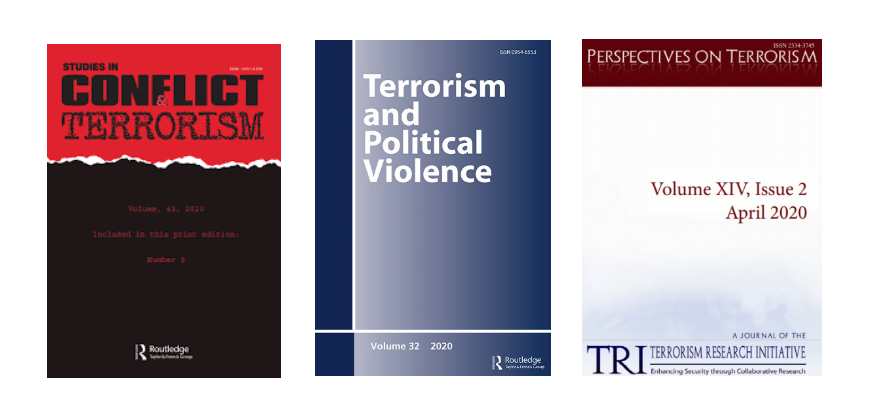
Where to Publish Academic Research on Online Extremism and Terrorism?: What We Can Learn from Journal Article Entries in VOX-Pol’s Online Library
May 7, 2020By Louise Laing and Maura Conway One of the questions we get asked quite often at VOX-Pol—by not just PhD students and early career researchers, but established scholars too and, in fact, that we quite often ask ourselves! — is ‘what are appropriate academic journals for publication of research on online extremism and terrorism?’ A generic ...
Blog
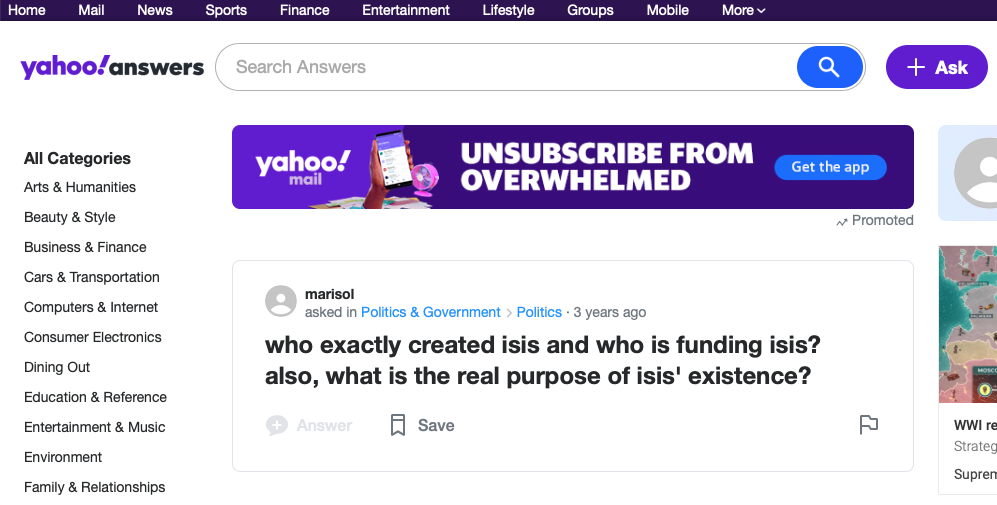
How do Social Media Users Talk about Terrorism Online?
April 29, 2020By Dr. Alton Chua and Dr. Snehasish Banerjee Terrorism remains a persistent challenge worldwide. While portrayed as a threat to society and human civilisation by mainstream media, terrorists sell terrorism as freedom fighting via social networking sites and private messaging platforms. However, the actual workings of terrorism are largely shrouded in secrecy. For the curious, a ...

Blog
Kimberly Pullman: A Canadian Woman Lured Over the Internet to the ISIS Caliphate
April 22, 2020By Anne Speckhard “If I was going to die at least I could die helping children. [It’s] illogical that you are entering a war zone that you don’t know anything about … I felt if I did something good it would overwrite the bad that had happened.” — Canadian 46-year-old Kimberly Pullman, speaking about her decision ...

Blog
Transparency Reporting for Smaller Platforms
April 15, 2020By Tech Against Terrorism Transparency reporting is an important way for the tech sector to increase awareness of its internal content moderation decision-making processes. Reporting can also increase transparency around information and takedown requests made of tech platforms by external entities, such as law enforcement agencies or governments. With regards to terrorism and online terrorist ...

Blog
The National Security Implications of Extreme Misogyny
April 8, 2020By Elise Thomas Online radicalisation has been a significant point of focus for the national security community in recent years. Much of this attention has been directed, rightly, at the risks posed by Islamic extremism, far-right extremism and white supremacist movements. However, far less attention has been paid to an equally dangerous and arguably more ...