Blog
Contenus Terroristes sur Internet: Le Futur Règlement Européen en Question
November 7, 2019Par Laurence Bindner et Raphael Gluck, co-fondateurs de JOS Project Au cours de l’année 2018, alors que Daech recule de plus en plus sur le terrain, l’Etat islamique (EI) résiste sur un autre front, celui du djihad médiatique. Les nouvelles productions, en nombre certes réduit, continuent d’être diffusées sur le web, tandis que les archives ...

Blog
Using Twitter as a Data Source: An Overview of Social Media Research Tools (2019)
October 16, 2019By Wasim Ahmed This post builds upon the 2015, and 2017 editions of this post, captures key trends and events which are shaping social media research for social scientists and provides a collection of research methods and tools for the analysis of social media data. Since the 2017 edition of this blog post, I have ...

Blog
Violent Misogyny, Mass Murder and Suicide: It’s Time to Save Incels from Themselves
October 9, 2019Incels are a danger to society and to themselves. Technology has made the problem worse, but it can also help fix it. Involuntary celibates, or incels, believe that a socio-genetic conspiracy theory is preventing them from having sexual relationships with women. Denied their right to sex because society has deemed them unworthy, some of their ...

Blog
Chambers of Secrets? Cognitive Echo Chambers and the Role of Social Media in Facilitating Them
October 2, 2019By Linda Schlegel The rise of social media usage as an everyday activity for millions of citizens has been accompanied by a discussion about the dangers of this development. Echo chambers or “filter bubbles” are often mentioned in this regard.[1] Both concepts refer to the possibility that social media users only engage with content that ...

Blog
The Ethics of Engaging Former Extremists to Counter Violent Extremism Online
September 25, 2019“It is my belief that there is and should be an end to the label, as in my own case […] I am more than what I once was; I am more than a former. Ethically sound CVE practitioners should see me as a person with a future, not just a past.” ~ Brad Galloway By ...

Blog
Analysis: The Use of Open-Source Software by Terrorists and Violent Extremists
September 18, 2019Why global coding collaboration benefits everyone – including terrorists and violent extremists. Summary Much of the software that powers the internet and decentralised platforms currently depends on software that was developed under the “open-source model” – not to be confused with Open Source Intelligence (OSINT) – in which the source code is available to the general public for use or ...
Blog
From Telegram to Twitter: The Lifecycle of Daesh Propaganda Material
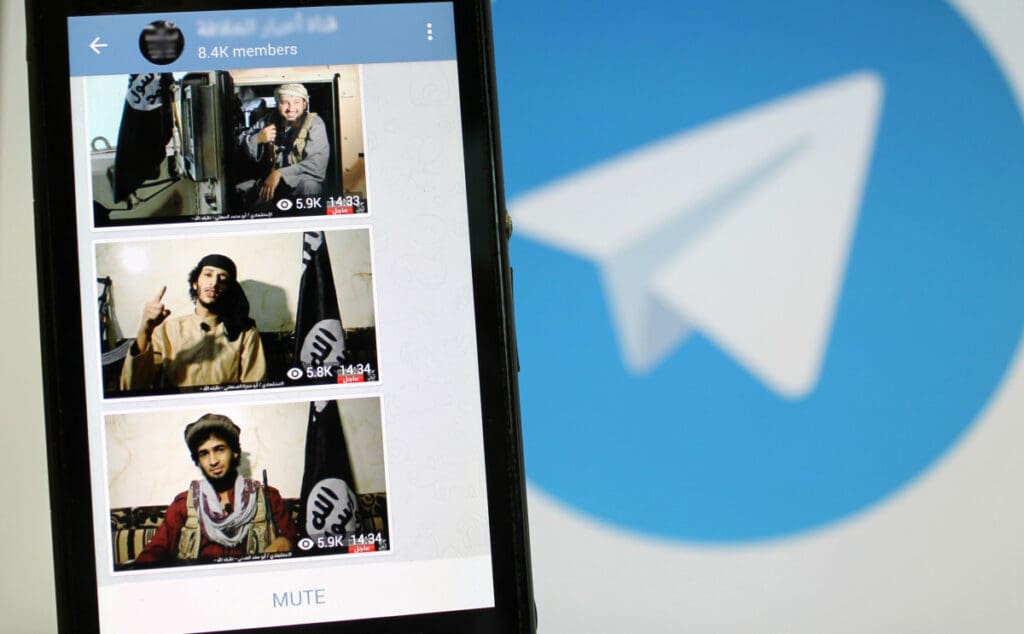
September 11, 2019By Mohammed Al Darwish A typical Daesh propaganda release goes through multiple phases on its journey from Telegram to reach more popular social web platforms like Twitter.1 This transition from Telegram to a wider audience on a more accessible platform requires the intervention of “fanboys” who dedicate their time and effort to spreading the propaganda ...

Blog
Web 3.0: The Decentralised Web Promises to Make the Internet Free Again
September 4, 2019One of our Top 4 Blog posts of 2019 was Loránd Bodó’s Decentralised Terrorism: The Next Big Step for the So-Called Islamic State (IS)? Today’s post presents the pros and cons of what’s sometimes called ‘Web 3.0.’ [Ed.] By Edina Harbinja and Vasileios Karagiannopoulos Have you recently considered deleting your Facebook account, boycotting Amazon or ...

Blog
Informal Internet Censorship: The UK’s Counter Terrorism Internet Referral Unit (CTIRU)
July 31, 2019By Jim Killock The CTIRU’s work consists of filing notifications of terrorist-related content to platforms, for them to consider removals. They say they have removed over 300,000 pieces of extremist content. Censor or not censor? The CTIRU consider its scheme to be voluntary, but detailed notification under the e-Commerce Directive has legal effect, as it ...

Blog
Jihadist Activism on the Internet Following the Collapse of the Caliphate
July 24, 2019By Manuel R. Torres-Soriano The collapse of Islamic State’s “caliphate” has had an enormous impact on jihadist activism on the Internet. In a short space of time, we have witnessed a shift from an ecosystem that orbited around the leadership of a strong organisation capable of shouldering the initiative and most of the work needed to ...