Internet and Terrorism
Blog
Resilienz-Aufbau für Terrorismusforscher
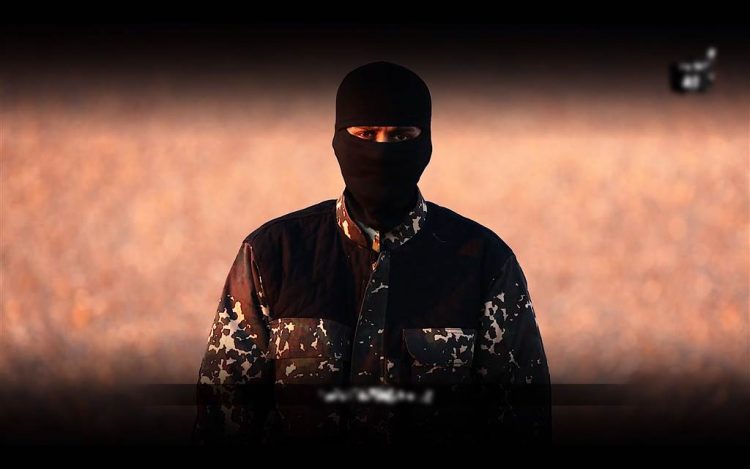
September 26, 2019Read in English Read in French Read in Spanish Von Peter King Als der sogenannte islamische Staat im Sommer 2014 den Medienbetrieb verstärkte, um für seinen territorialen Fortschritt im Irak und Syrien zu werben, mussten Terrorismusforscher, die ein Jahrzehnt oder länger in dieser Branche waren, einen Schritt zurücktreten und überdenken, welche Auswirkungen die Propaganda auf ...
Blog
Le Renforcement de la Résilience Chez les Chercheurs dans le Domaine du Terrorisme
September 26, 2019Read in English Read in German Read in Spanish Peter King Lorsque le soi-disant État islamique a intensifié ses activités médiatiques à l’été 2014 pour promouvoir ses avancées territoriales en Irak et en Syrie, les chercheurs sur le terrorisme qui travaillaient dans ce domaine depuis une décennie ou plus ont dû prendre du recul et ...
Blog
Construir Resiliencia para Investigadores del Terrorismo
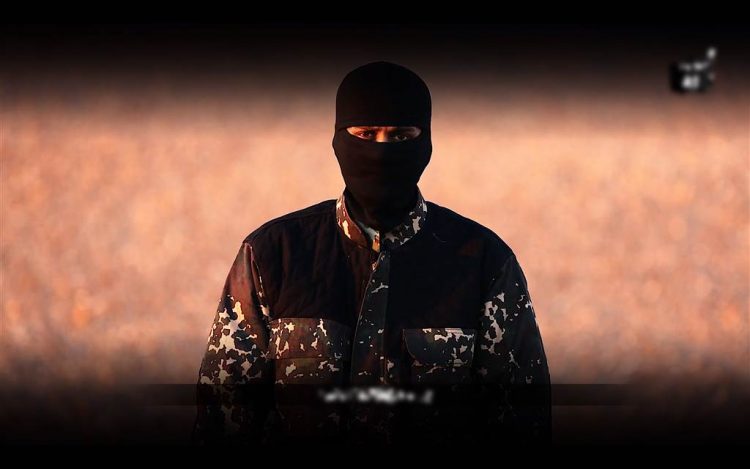
September 26, 2019Read in English Read in French Read in German Por Peter King Cuando el denominado Estado Islámico intensificó su campaña mediática en verano de 2014 para promocionar sus avances territoriales en Irak y Siria, investigadores del terrorismo dedicados a esta actividad durante una década o más se vieron obligados a dar un paso atrás y ...
Blog
Jihadist Activism on the Internet Following the Collapse of the Caliphate
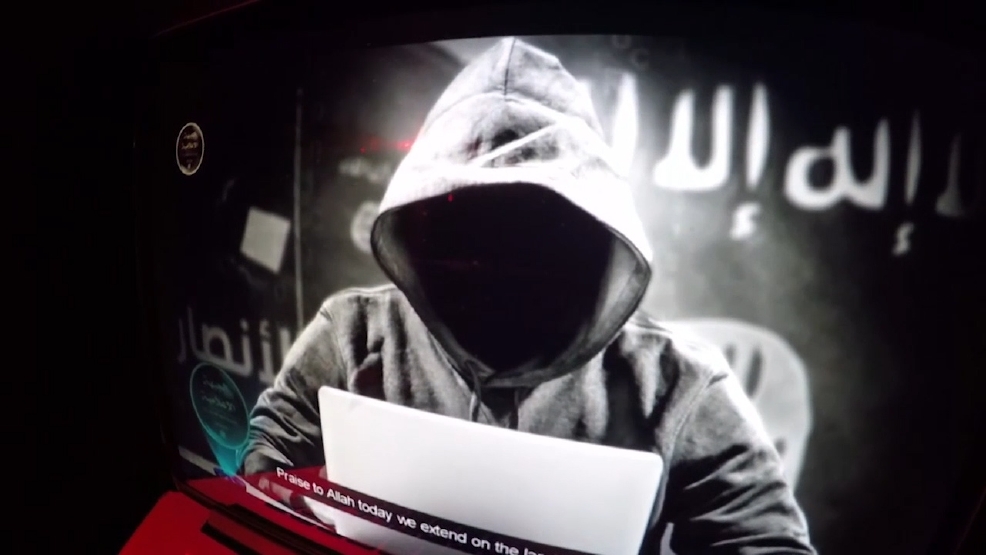
July 24, 2019By Manuel R. Torres-Soriano The collapse of Islamic State’s “caliphate” has had an enormous impact on jihadist activism on the Internet. In a short space of time, we have witnessed a shift from an ecosystem that orbited around the leadership of a strong organisation capable of shouldering the initiative and most of the work needed to ...

Blog
Terrorism and Technology: The Front End
July 17, 2019By Cori E. Dauber and Mark D. Robinson Despite the fact that there is a robust conversation regarding “terrorism and technology,” that discussion uniformly addresses – as near as we can tell – the back end, the dissemination of what terrorists have already produced. We have found virtually nothing in the popular press[1] and nothing in ...
Blog
An Overview of Radical Right-focused Presentations at #TASMConf 2019
July 10, 2019By Pamela Ligouri Bunker and Robert J. Bunker The 2019 Terrorism and Social Media (TASM) Conference took place on 25 and 26 June 2019 at Swansea University Bay Campus, Wales, United Kingdom. The conference was organised by Swansea University’s Hillary Rodham Clinton School of Law and its Cyber Threats Research Centre (CYTREC), with the support ...
Blog
Ansar al-Haqq Trial: Does Media Jihad Account for ‘Half of the Battle’?
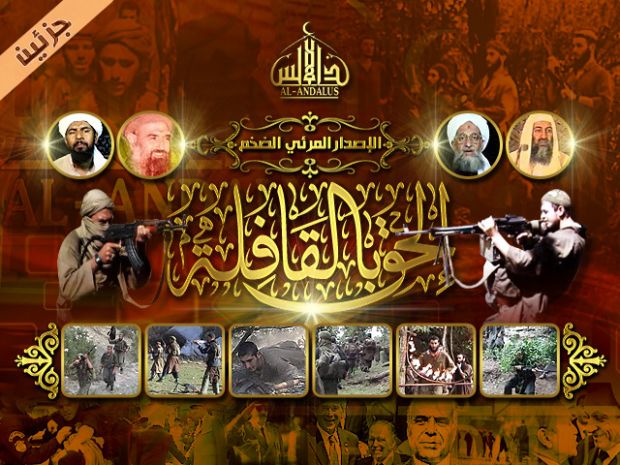
May 22, 2019By Laurence Bindner This post was originally published on our Blog in French in January 2019. It was cross-posted with permission from Ultima Ratio, IFRI’s security and defence Blog. This is its first time appearing in English. [Ed.] The appeal trial of the administrators of the Ansar al-Haqq forum got under way at the Paris Regional ...
Blog
On the Importance of Taking-down Non-violent Terrorist Content
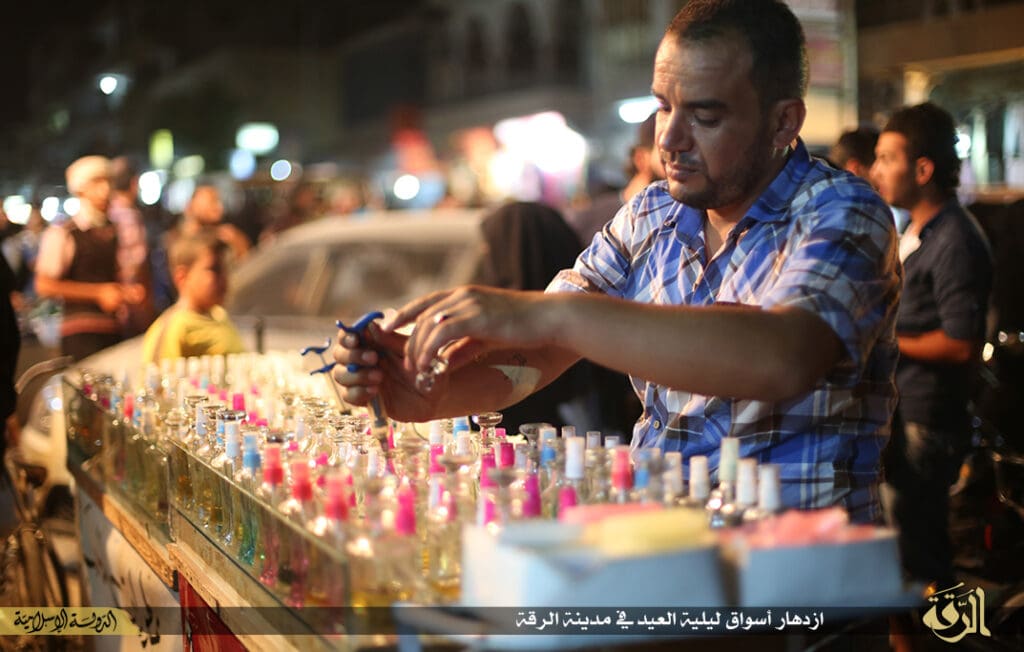
May 8, 2019This Blog post is a lightly edited version of a report prepared by the EU Internet Referral Unit in Europol and circulated to law enforcement agencies and member states in October 2018. It is appearing here publicly for the first time, at the request of Europol. [Ed.] Key Takeaways Non-violent material is integral to terrorists’ propaganda ...

Blog
Algorithmic Hate: Brenton Tarrant and the Dark Social Web
April 3, 2019By Luke Munn “From where did you receive/research/develop your beliefs? The Internet, of course.” ~ Brenton Tarrant On Friday, March 15th 2019, at 1:40pm, Brenton Tarrant walked into the first of two mosques in central Christchurch and began shooting indiscriminately, leading to the deaths of 50 people. Already there has been speculation about what drove ...
Blog
New Zealand Attack: Why are Media Outlets Helping Terrorists?
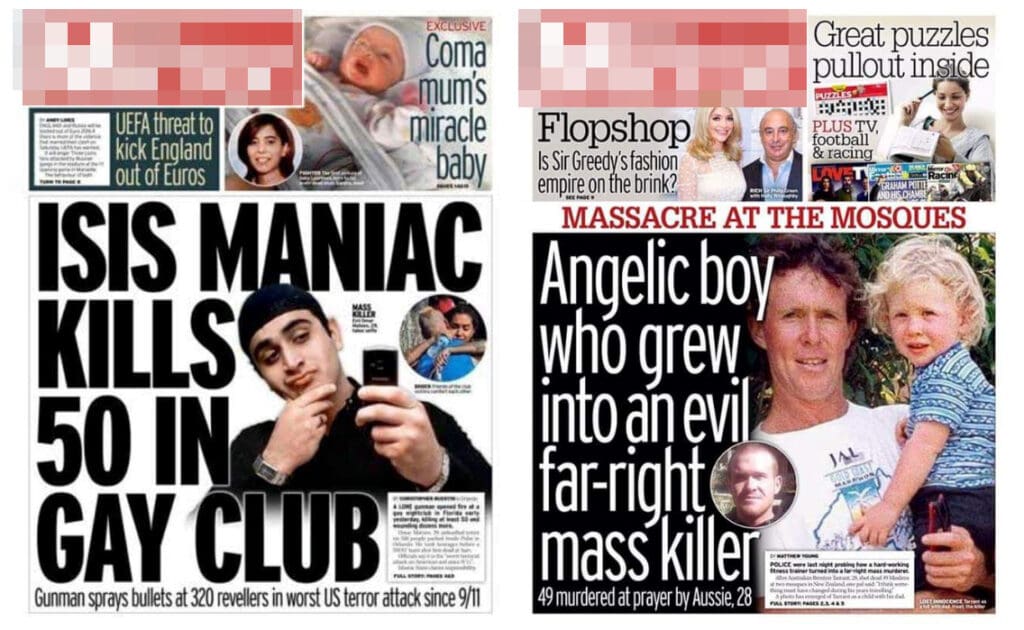
March 27, 2019By Nancy Jamal In the aftermath of the Christchurch attack, attention has been drawn to the role of mass media in the aftermath of such attacks, including by the UK’s most senior counter-terrorism police officer, Neil Basu. Last week’s Blog post also addressed responsible reporting, as does Virginie Andre’s report Understanding the Impact of Terrorist Event Reporting on Countering ...