Online radicalisation
News
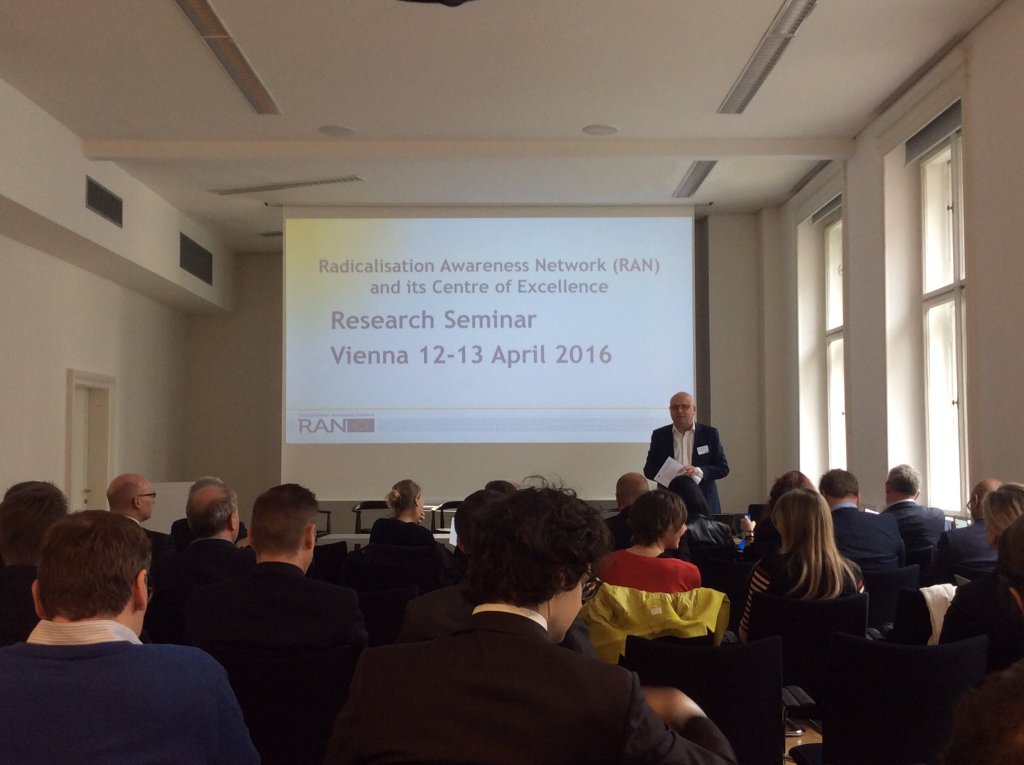
VOX-Pol Participation in RAN CoE Research Seminar ‘Research on Radicalisation: From Theory to Practice ’
April 18, 2016Identifying key knowledge gaps in the area of preventing violent extremism was the main focus of a recent EU Radicalisation Awareness Network Centre of Excellence (RAN CoE) research seminar in Vienna (12-13 April 2016). The seminar brought together the RAN editorial board, leading researchers, and practitioners to discuss and debate the latest radicalisation research findings ...

Blog
How ISIS’s Language Changed Over Time: More Concern with Females and More “Net-speak”
April 13, 2016By Matteo Vergani We (myself and Ana-Maria Bliuc) just published a brief research-paper in the Italian magazine “Security, Terrorism and Society“. We used the computerized text analysis program LIWC (Linguistic Inquiry and Word Count) to investigate the evolution of the language across the first 11 Issues of Dabiq. Our paper shows ISIS’ increasing concern with ...

News
New VOX-Pol Report: What are the Roles of the Internet in Terrorism? Measuring Online Behaviours of Convicted UK Terrorists
November 2, 2015Launching 4 November 2015 at the VOX-Pol Lunch Briefing Series In London, on November 4 2015, Dr. Paul Gill will present findings from his co-authored research report entitled ‘What are the Roles of the Internet in Terrorism? Measuring Online Behaviours of Convicted UK Terrorists’, based upon recent VOX-Pol funded research. This report will be formally launched ...

Blog
Monitoring Racist and Xenophobic Extremism to Counter Hate Speech Online: Ethical Dilemmas and Methods of a Preventive Approach
September 23, 2015by Andrea Cerase, Elena D’Angelo and Claudia Santoro The rise of racism in Europe In recent years online racism has seen a quick and serious growth in many European and non-European countries, till to become a worrying global phenomenon.(1) One of the most striking examples of such process is the rise of White Supremacist Movements online. Their strategy ...

Blog
A “Radical Sociability”: In Defence of an Online/Offline Multidimensional Approach to Radicalisation
September 9, 2015by Benjamin Ducol Beyond a dichotomic view of radicalisation in the digital era The dichotomisation of “virtual” versus “real world” is one of the major pitfalls in current studies of radicalisation in the digital era. In many cases, scholars tend to conceptualise virtual spaces as autonomous from what actually happens in the “real world” and ...

Blog
Drawing the Line Between Free Speech and Online Radicalisation
July 29, 2015by Jacob Mchangama The global spate of terrorist attacks has brought the phenomenon of online radicalisation to the forefront. Governments and intelligence services warn that extremist groups use social media to recruit new adherents and potential terrorists. From the perspective of human rights, this raises a question – where should the line be drawn between ...

News
VOX-Pol attends Radicalisation Awareness Network meeting
July 7, 2015VOX-Pol Programme Manager Lisa McInerney is speaking at a meeting of the Radicalisation Awareness Network at the Institute for Strategic Dialogue in London today. The meeting, ‘Bringing together industry partners and CVE practitioners – Innovative cooperation to counter extremism online’ is being held to engage private sector partners in the counter-narrative challenge and to organise ...
News
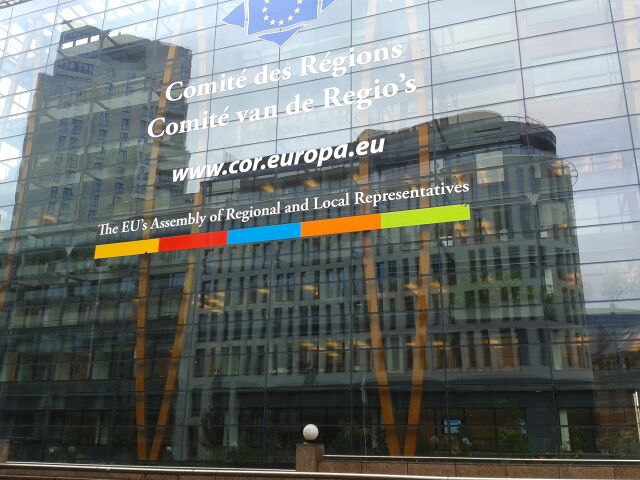
VOX-Pol participates in [Y] Factor Conference
June 24, 2015VOX-Pol contributed to this week’s [Y] Factor Conference, a Youth Conference organised by the trainees of the European Committee of the Regions in collaboration with CoR services at the end of their traineeship period. The main idea behind [Y] Factor is to tackle the topics and issues that concern young people by bringing together local ...
Blog
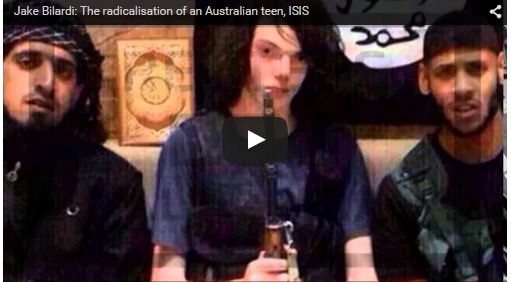
IS Radicalises Western Youth Via The Internet? It’s Not That Simple
June 24, 2015by Samina Yasmeen The discussions around why young Australian Muslims are leaving home to join the fighting in Syria and Iraq on the side of or against Islamic State (IS) suffer from two kinds of reductionism. First, they assume that the phenomenon of young (or not so young) people leaving their homes to join these terrorist groups is largely ...

Blog
Pictures Matter : The Visual Culture of Jihadism
June 17, 2015by Nico Prucha How the Arabic Ideology of Jihadist Movements Targets non-Arab(ic) Online Networks, Part 2 Jihadist narratives are fostered by the increasingly visual nature of online culture. Videos are the most important mouthpiece to show the manifestation and realisation of jihadist creed (‘aqida) and methodology (manhaj) for which they claim to live and die. ...