
Blog
Islamic State’s Virtually Planned Terror Plots: A Note on Current and Future Research
November 21, 2018Earlier this month (9 Nov.), Hassan Khalif Shire Ali (30) carried out a terrorist attack on Bourke Street mall in Melbourne, Australia in which he stabbed one person to death and injured two others. Attention immediately turned to whether Shire Ali was in direct–potemtially online–contact with so-called ‘Islamic State’ (IS). The Australian Federal Police later said ...
Blog
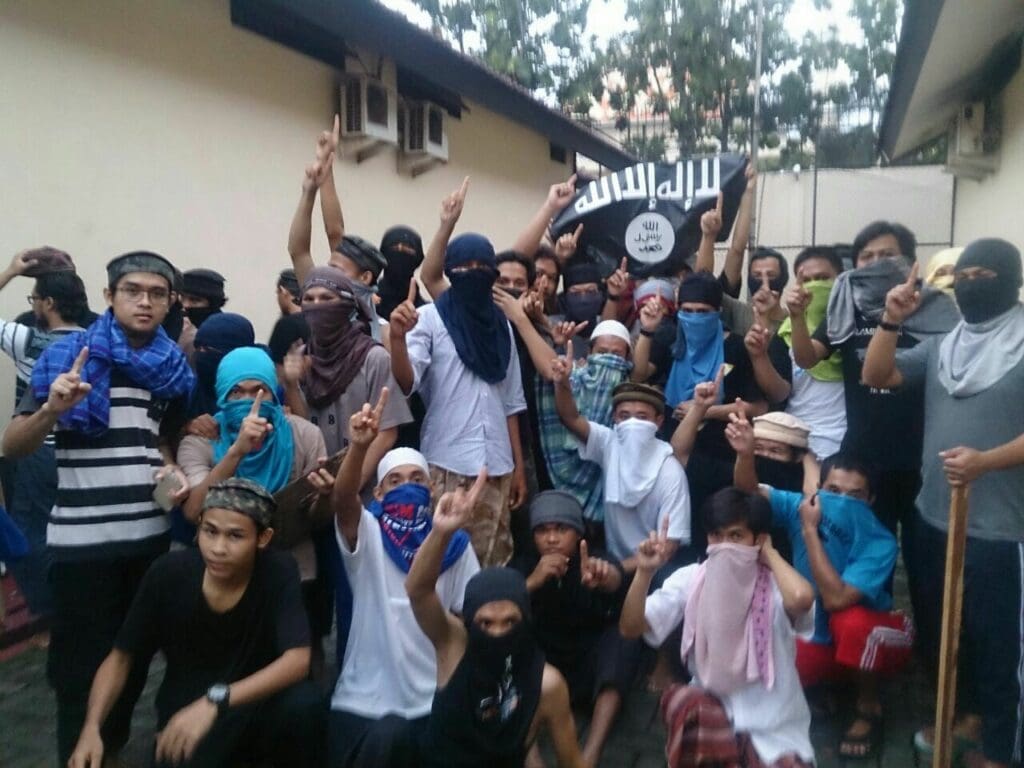
Crowdsourcing Terror in Indonesia
November 14, 2018By Jennifer Yang Hui In the wake of high-profile terrorist activities in Indonesia, social media’s role in violent extremism is once again under scrutiny. The 36-hour standoff on 8 May 2018 between inmates linked to the so-called Islamic State (IS) and prison officers at Mako Brimob (the detention centre of the Indonesian National Police Mobile ...

Blog
This Isn’t Helter Skelter: Why the Internet Alone Can’t be Blamed for Radicalisation
October 31, 2018By Daniel Baldino & Kosta Lucas The Internet’s precise role in the process of radicalisation remains vexing. You can lead a person to a bomb-making manual, but you can’t make them use it. Radicalisation is a social process. It refers to a means by which an individual or group embraces an extreme ideology and rejects ...

Blog
Cryptocurrencies: Potential for Terror Financing?
October 24, 2018By Ahmad Helmi Bin Mohamad Hasbi and Remy Mahzam Synopsis Given their transaction anonymity and user-friendliness, cryptocurrencies appeal to extremist groups as they offer a viable alternative to the mainstream financial system and fiat money which are perceived as ‘kafir’ (infidel) currencies. The threat of cyber-driven terrorist financing is expected to grow. Commentary Bitcoins and ...

Blog
“Yes, I Can”: The Role of Perceived Self-Efficacy in Violent Radicalisation Processes
October 17, 2018By Linda Schlegel & Till Baaken In recent years, radicalisation, its causes and facilitating conditions as well as possible counter-strategies have been widely discussed within the academic community, among practitioners, and by politicians. Today, there are a variety of radicalisation models available in order to facilitate our understanding of this phenomenon and the empirical evidence is progressively ...

Blog
Follow the Echo Chamber: Measuring Political Attitude Change and Media Effects on Twitter
October 10, 2018By Laura Jakli and Paul Gill This blog post summarises the preliminary results of a VOX-Pol supported study that estimates the effects of social media echo chambers on political polarisation. Social Media and Political Polarisation Countless news articles and studies argue that social media exacerbates political polarisation and distorts the political news landscape. The general argument put ...
Blog
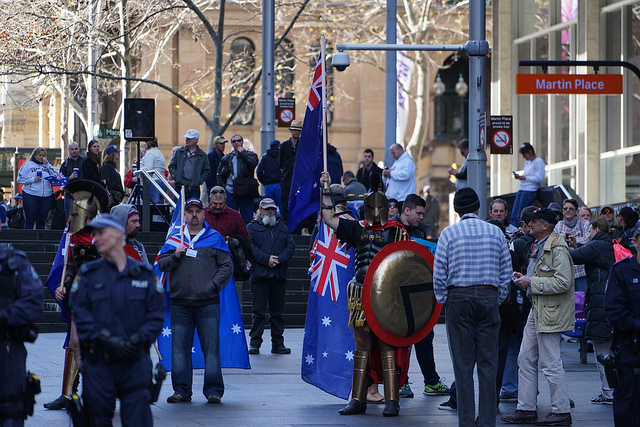
The Australian New-Right Movement: Online and ‘Others’
October 3, 2018By Jade Hutchinson The ‘Right’ Kind of Dogma Radical-right groups harness online platforms to disseminate dogmas against the ‘Other’. In response to an influx of foreign migrants, the concatenation of Islamist terrorism and record levels of distrust in government institutions, the radical-right is invigorated by an aggressive anti-‘Other’ sentiment. As the source of social anxiety and ...
Blog
FlockWatch: Tracking Changes in Language in Text Datasets Over Time
September 26, 2018By Sam Jackson For years, researchers studying online political extremism have used computational tools to collect large amounts of data from social media, most often from Twitter. Two main logics guide these data collections: they can be built around users (e.g., collecting all tweets sent by given accounts) or they can be built around vocabulary (e.g., ...

Blog
Building Resilience for Terrorism Researchers
September 19, 2018Read in German Read in French Read in Spanish By Peter King When the so-called Islamic State ramped up its media operation in the summer of 2014 to promote its territorial advances across Iraq and Syria, terrorism researchers who had been in the business for a decade or more were forced to take a step ...

Blog
The Ethics of Academia-Counter-Terrorism Police Collaboration
September 12, 2018By Mike Edwards My belief in the value of collaboration between police and academics stems from a policing conference on domestic violence, stalking and sexual violence that I attended as a young police officer. Criminal behavioural analyst Laura Richards delivered the keynote speech. This sparked a personal interest in human behavioural analysis and specialist criminal ...